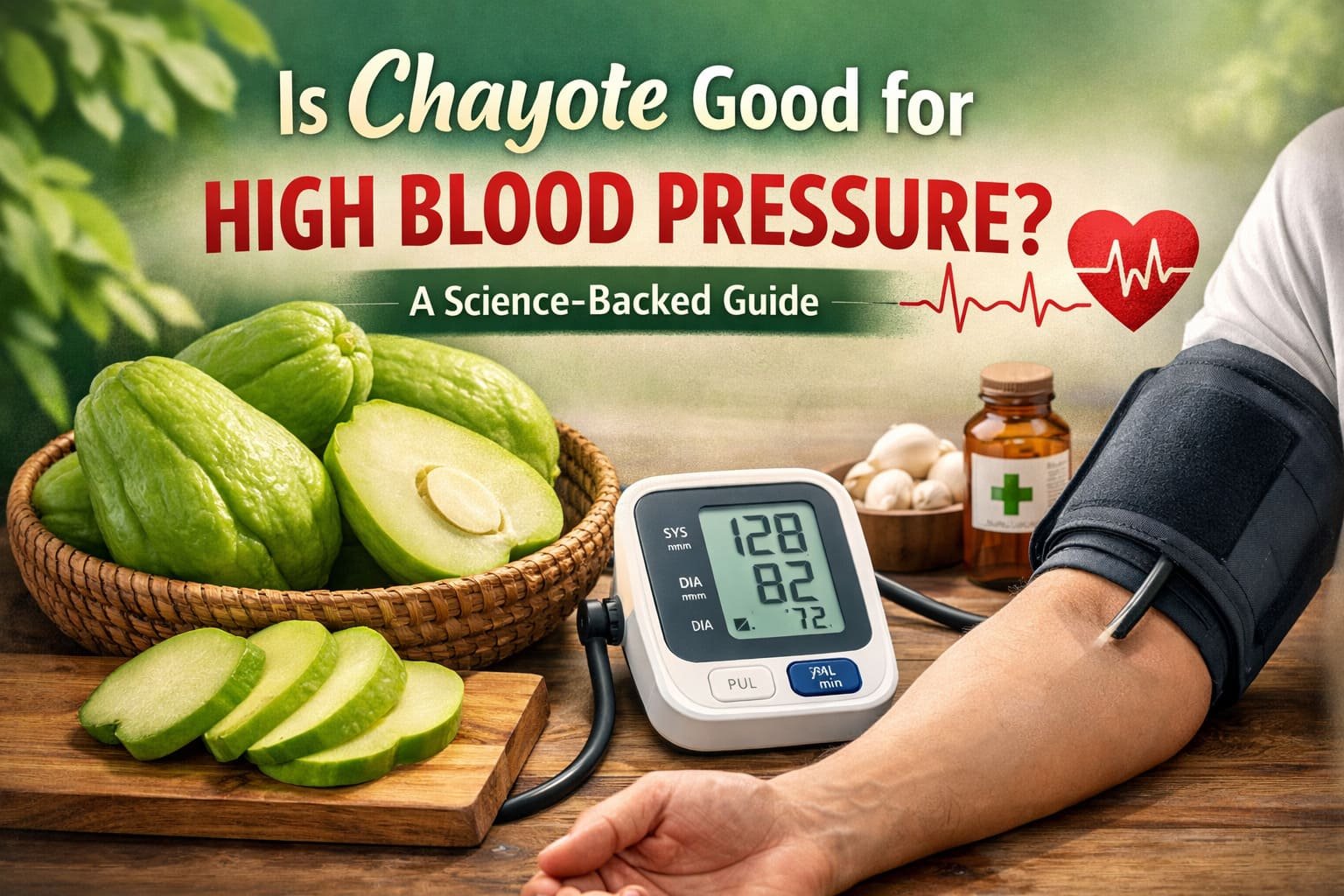
Is Chayote Good for High Blood Pressure? A Science-Backed Guide
As a nutrition scientist and the founder of Fitswaraj, I’ve spent over a decade dissecting food myths. While my previous guides covered the broad health benefits of Sechium edule, today we are diving deep into one specific, life-saving question: Is chayote good for high blood pressure?
With hypertension affecting nearly 1.28 billion adults globally, the search for natural vasoprotective agents is at an all-time high. Chayote is more than just a low-calorie vegetable; it is a complex matrix of phytochemicals that specifically target the mechanisms of vascular resistance.
The Vascular Science: How Chayote Impacts Blood Pressure
To understand if chayote is truly effective, we must look at the Endothelium—the thin membrane lining your heart and blood vessels. Hypertension often stems from “stiff” or constricted vessels.
Chayote contains high levels of myo-inositol and potassium, which act as natural vasodilators. In my experience coaching individuals through body transformations, optimizing the Potassium-to-Sodium Ratio is the fastest way to reduce water retention and ease the workload on the heart.
- The Potassium Powerhouse: Chayote provides a significant dose of potassium without the high sugar content found in fruits like bananas. Potassium lessens the effects of salt and eases tension in your blood vessel walls.
- Natural Diuretic Properties: Chayote juice assists in blood pressure management through its mild diuretic effect. By encouraging the kidneys to flush out excess sodium through urine, the total volume of blood decreases, naturally lowering the pressure against arterial walls.
Comparative Analysis: Chayote vs. Common BP Superfoods
Nutrition professionals often overlook chayote (Chow-Chow) in favor of “trendier” greens. However, the data shows that chayote offers a unique balance of hydration and electrolytes.
Nutritional Impact on Blood Pressure Management
Feature | Chayote (Chow-Chow) | Spinach | Celery |
Primary BP Mechanism | Diuretic & Inositol | Nitric Oxide Boost | Phthalides (Relaxant) |
Calories (per 100g) | ~19 kcal | ~23 kcal | ~16 kcal |
Sodium Content | Very Low | Moderate | Natural Sodium (High) |
Best For | Fluid Retention & Stiffness | Vascular Dilatation | Stress-related BP |
The "Chayote Juice" Trap: Common Mistakes to Avoid
While chayote is an exceptional ally for cardiovascular health, how you prepare it determines whether you receive its full therapeutic potential. A frequent mistake many make is consuming strained juice, which inadvertently creates a “nutrition trap.” When you strain the pulp, you remove the essential fiber necessary for stabilizing insulin levels. This is a critical oversight because high insulin levels signal the kidneys to retain sodium—the very element hypertensive patients must flush out. Consequently, drinking fiberless juice can actually hinder your blood pressure goals by triggering sodium retention rather than preventing it.
To ensure you are maximizing the vegetable’s vasoprotective properties, I recommend following the Fitswaraj Professional Protocol. First, do not peel the squash; the skin houses the highest concentration of antioxidants, particularly quercetin, which supports arterial health. Second, you should blend rather than juice the vegetable. By keeping the fiber intact, you ensure a slow, controlled release of nutrients into your bloodstream. Finally, it is imperative to avoid adding salt for flavor. Adding sodium to a chayote drink completely defeats the purpose of the protocol, as it counteracts the vegetable’s natural ability to ease the workload on your heart.
Would you like me to help you design a specific 1500-calorie meal plan that integrates chayote for both weight loss and blood pressure management?
Addressing the "Natural Cure" Misinformation
There is a dangerous trend of promoting chayote as a “cure” for hypertension. As a Master’s degree holder in Nutrition, I must be clear: Chayote is a dietary support tool, not a replacement for ACE inhibitors or Beta-blockers. Misinformation leads individuals to stop their medications in favor of “natural remedies,” which can lead to hypertensive crises. Chayote helps manage and prevent, but it does not medically “reverse” chronic Stage 2 hypertension on its own.
Strategic Integration for Fitness Enthusiasts
For the fitness community, chayote is an ideal “volume food.” High blood pressure can sometimes spike during “cutting” phases due to stimulants or high-stress training.
- Pre-Workout Hydration: Blend chayote with cucumber and lemon for a cooling, electrolyte-rich drink.
- Post-Workout Recovery: The potassium helps prevent muscle cramps while keeping your vascular system relaxed after a heavy lifting session.
Conclusion: A Balanced Approach to Longevity
So, is chayote good for high blood pressure? Yes. The science confirms its role as a powerful, low-calorie, potassium-rich ally. However, its true power lies in being part of a structured, evidence-based lifestyle. At Fitswaraj, we advocate for the “Whole-Food First” approach—don’t just look for a miracle juice; look for a better plate. Would you like me to help you design a specific 1500-calorie meal plan that integrates chayote for both weight loss and blood pressure management?
Frequently Asked Questions (Google PAA)
Is it safe to drink chayote juice if I’m on BP medication?
While generally safe, chayote has a mild diuretic effect. If you are already taking “water pills,” it could lead to dehydration or electrolyte imbalances. Always consult your doctor first.
Does chayote juice lower blood pressure immediately?
No. Unlike emergency medications, chayote works cumulatively. Significant changes usually require 2-4 weeks of consistent dietary integration.
Can I drink chayote juice every day?
Yes, but moderation is vital. Limit intake to one small glass and ensure it is not your only source of nutrients to avoid gastrointestinal distress.
Is it better to eat chayote raw or cooked for blood pressure?
Both have benefits. Raw preserves Vitamin C, while cooking can make certain minerals easier to digest. Both provide the necessary potassium and antioxidants.
Swaraj Verma
Swaraj Verma is a certified health and fitness trainer with over 10 years of experience in the fitness and wellness industry and the founder of Fitswaraj.com, a health-focused platform dedicated to promoting sustainable, science-based lifestyles. He holds Bachelor’s and Master’s degrees in Nutrition and Health Sciences and specializes in exercise science, nutrition planning, body transformation, and lifestyle coaching. Over the years, he has successfully trained 50+ fitness models and individuals using personalized, evidence-based methods. Through Fitswaraj, Swaraj focuses on long-term wellness over short-term fitness trends by delivering reliable, expert-driven health content and offering a verified fitness professional listing that helps users connect with trusted trainers and wellness experts.